

- 网站导航 -
Address: HOME > Blogs > Company News >
Why the Clutch Pressure Plate Causes Slippage and How to Fix It
Time:2026-11-04 11:39:17 Author:Tusheng Clicks:192Second-rate
Clutch slippage is the most common complaint when a pressure plate wears out. It costs fuel, accelerates wear and can leave a truck stranded. Understanding why the plate stops gripping is the first step toward a lasting repair rather than a bandage fix.
Weak Diaphragm Spring
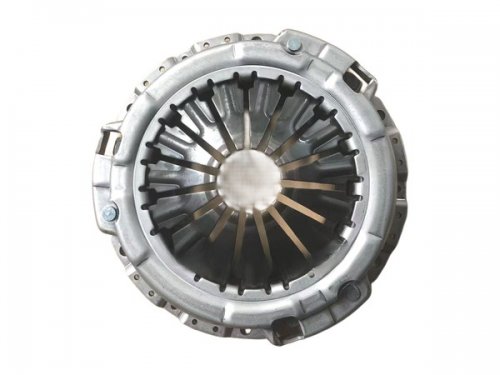
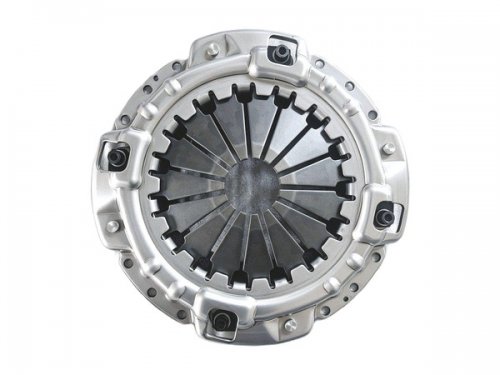
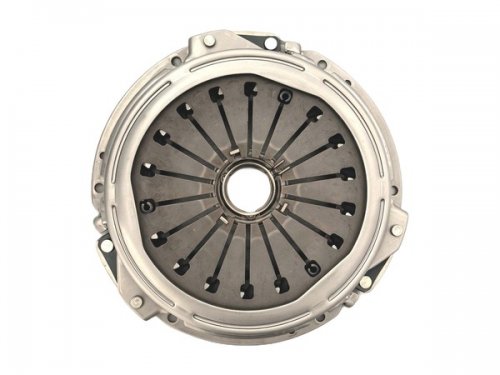
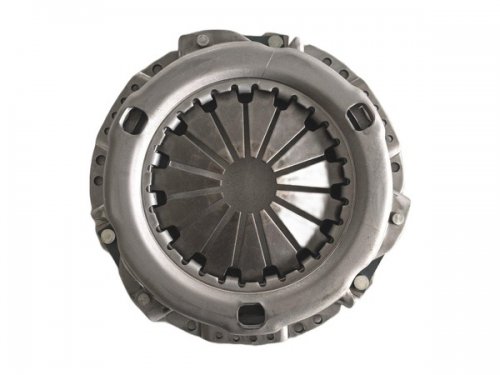
The pressure plate relies on a diaphragm spring to clamp the clutch disc against the flywheel. After hundreds of thousands of cycles, the spring weakens and loses clamping force. Under high torque, the disc slips instead of locking up. A weak spring cannot be adjusted; the pressure plate must be replaced.
Oil or Grease Contamination
Even a small oil leak from the rear crankshaft seal or the transmission input shaft seal ruins the friction surface. Oil on the clutch disc or flywheel makes the plate slip no matter how strong the spring is. If you find contamination, fix the leak source first, then replace both the disc and the pressure plate.
Overheating and Glazing
Riding the clutch, excessive hill starts and overloading generate intense heat. High temperatures glaze the friction lining and anneal the diaphragm spring, reducing its grip. The clutch starts slipping more and more, which generates even more heat in a vicious cycle. Once glazed, the lining cannot recover.
Incorrect Clutch Adjustment
On hydraulic clutches, air in the system or a misadjusted push rod can prevent the pressure plate from fully releasing or fully engaging. If the plate never seats completely, partial engagement causes slip. Bleed the system and check free play before blaming the pressure plate itself.
The Lasting Fix
Slippage is fixed by finding the root cause, not just bolting on a new plate. Resurface the flywheel, replace the disc and pressure plate as a kit, repair any oil leaks, and teach the driver smooth clutch technique. This combination is what keeps a new clutch on the truck for its full design life.
References
GARCIA M, RODRIGUEZ J. Thermal stress analysis of diaphragm springs in clutch assemblies[J]. Engineering Failure Analysis, 2021, 125: 105412.
Singh, Avinash, and Rajesh Kumar. "Analysis of Diaphragm Spring Clutch Pressure Plate Deformation under Thermal Loads." International Journal of Automotive Technology, vol. 21, no. 4, 2020, pp. 987-996.
Zhang, Y., Li, X., and Wang, H. (2021). Optimization of clutch pressure plate diaphragm spring performance for commercial vehicles. Chinese Journal of Mechanical Engineering, 34(2), 45-53.






Contact
E-mail:tusheng965@gmail.com
whatsApp:8613012022227
Tel:8615932726000
URL:https://www.tushengautoparts.com
Address:No. 072, 1st Street, Auto Parts Market, Migezhuang Village, Migezhuang Town, Hejian City, Cangzhou City, Hebei Province