

- 网站导航 -
Address:HOME > Products > Clutch Plate >
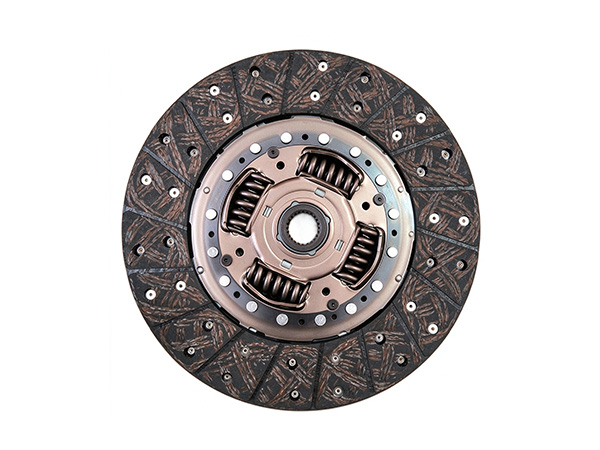
275 Clutch Plate
E-mail: tusheng965@gmail.com
Tel:8615932726000
275 Clutch Plate Overview
The 275 Clutch Plate is a transmission friction component designed for medium and light commercial vehicles, pickup trucks, buses and diesel-powered equipment. With a 275 millimetre friction diameter, this clutch plate sits between the engine flywheel and the pressure plate, transferring engine torque to the gearbox while allowing smooth gear engagement and disengagement. It is supplied as a replacement part for workshops, fleet maintenance teams and aftermarket distributors who need a dependable clutch disc matching original equipment dimensions and spline specifications.
Every 275 Clutch Plate is built around a rigid steel core, friction facings and a splined hub that locks onto the gearbox input shaft. The friction material balances grip, wear resistance and heat dissipation, so the disc holds torque under normal road and load conditions without slipping or grabbing. The plate is balanced and aligned during assembly to reduce vibration, pedal pulsation and noise during take-up.
What Is a 275 Clutch Plate
A clutch plate, also called a clutch disc, is the central driven member of a mechanical clutch. When the pedal is released, the pressure plate clamps the disc against the flywheel, and engine power flows through the facings and hub into the transmission. When the pedal is pressed, the disc releases from the flywheel, cutting torque so the driver can shift gear or stop without stalling. The number 275 refers to the outer diameter of the friction facing in millimetres, which determines torque capacity, pedal feel and matching flywheel and pressure plate dimensions. This 275 mm size fits four- and six-cylinder diesel and petrol engines in light trucks, vans, farm machinery and construction equipment, so buyers should confirm the OE reference, vehicle model and engine code before ordering.
Key Features and Construction
The 275 Clutch Plate combines a torsion damper, sprung hub and segmented friction facings for controlled engagement. The damper springs absorb torsional shocks when the clutch bites, protecting the gearbox, driveshaft and rear axle from sudden torque spikes. The splined hub is machined to a precise fit, reducing side play and keeping the disc centred on the input shaft.
The core is stamped from high-strength steel and pressed into a rigid body that stays flat under clamping load. Facings are riveted to the core rather than bonded, allowing even pressure distribution and long service life under stop-start driving. Ventilation gaps between facing segments help heat escape, lowering the risk of glazing, fading or warping on hill starts and heavy loads. The compound blends fibres, fillers and resin for a stable friction coefficient, and rivets sit below the facing surface so they do not contact the flywheel as the material wears.
Specifications and Applications
The standard 275 Clutch Plate has a 275 millimetre friction diameter, a sprung damper hub and facings riveted to a steel core. Spline count, hub inner diameter, facing thickness and damper configuration vary by model and OE reference, so the exact specification should be matched against the original part before purchase. Buyers should verify the engine torque rating, input shaft spline and whether the application needs a rigid disc, sprung disc or damper with a particular spring stiffness.
The disc is used across light commercial vehicles, medium trucks, vans, minibuses, pickup trucks and certain agricultural and construction machines with a matching 275 mm clutch assembly. It suits replacement in clutch kits that include a pressure plate, release bearing and alignment tool, and can be supplied individually for workshops rebuilding the existing assembly. The disc should be cross-checked against the original part number and vehicle details, because clutch design differs between diesel and petrol engines, manual and automated transmissions, and two- and four-wheel drive layouts.
Performance Benefits and Quality Control
A properly matched 275 Clutch Plate gives consistent torque transfer, smooth gear engagement and reduced slip under normal load. The torsion damper reduces drivetrain shock, helping protect synchromesh gears, bearings and universal joints from impact loads. Ventilated segments keep the friction surface cooler, extending facing life in stop-start traffic and frequent hill starts, while a balanced disc keeps pedal feel steady and limits judder on engagement.
Each plate is inspected for dimensions, facing attachment, spline fit and runout before leaving the line. Facing thickness, rivet depth and hub spline engagement are checked against the drawing, and the disc is inspected for flatness and balance. Finished discs are packed to protect the friction surface and spline during storage and transport.
Installation and Maintenance
When fitting a new 275 Clutch Plate, inspect the flywheel for scoring, heat cracks and wear ridges, and machine or replace it if out of flat. Check the pressure plate for finger wear, spring weakness and surface damage, and replace the release bearing and hydraulic parts if there are signs of leakage or roughness. Use an alignment tool to centre the disc on the input shaft before tightening the pressure plate bolts in a diagonal sequence.
Bed in the new clutch by avoiding full-throttle starts and heavy towing during the first few hundred kilometres, so the facings seat evenly against the flywheel and pressure plate. Keep the release system adjusted to the specified free play, and avoid resting the foot on the pedal while driving, which causes premature facing wear. If the clutch slips, judders on take-up, chatters when engaging or rattles at idle, inspect the facings, damper springs and release system promptly.
Frequently Asked Questions
What does the number 275 mean on a clutch plate? It refers to the outer diameter of the friction facing in millimetres. It must match the flywheel and pressure plate size, and the spline and hub must match the gearbox input shaft.
How do I know if my clutch plate needs replacing? Common signs include slip under acceleration, a high pedal bite point, judder on engagement, difficulty changing gear, rattling from the bell housing and visible facing wear when the gearbox is removed.






Contact
E-mail:tusheng965@gmail.com
whatsApp:8613012022227
Tel:8615932726000
URL:https://www.tushengautoparts.com
Address:No. 072, 1st Street, Auto Parts Market, Migezhuang Village, Migezhuang Town, Hejian City, Cangzhou City, Hebei Province